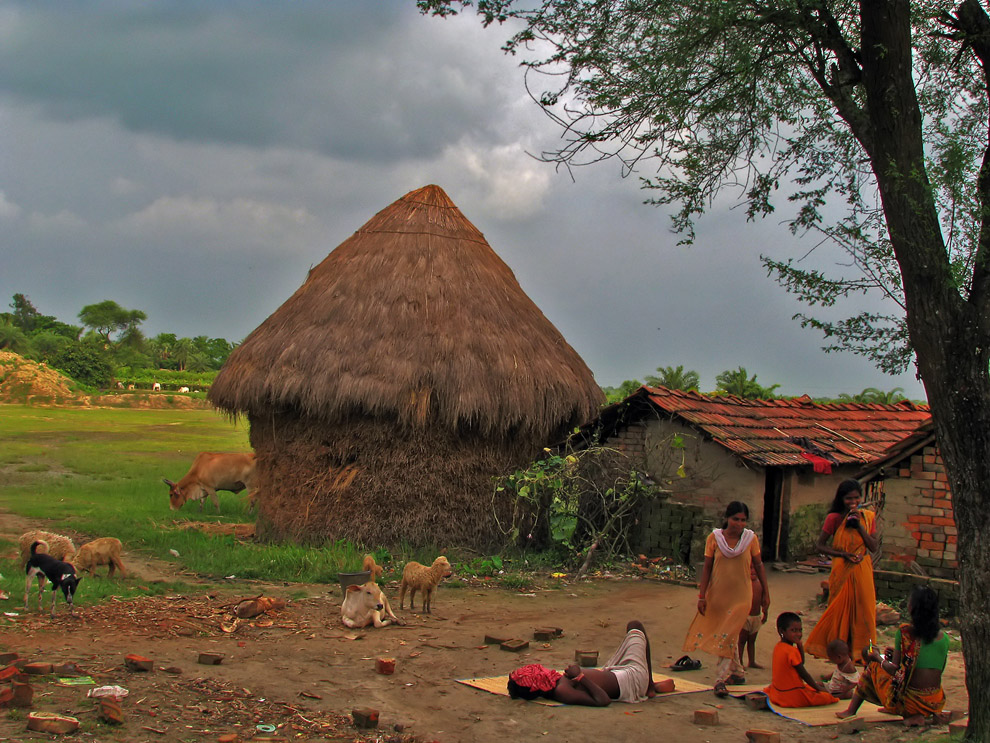
The sleeping sickness in Kalachi started with a single woman who suddenly felt like her brain had turned off. Lyubov Belkova was working at a market in March 2013 when she collapsed into a deep, strange sleep that lasted for days. Soon, dozens of people in this small village in Kazakhstan were falling over in the middle of a sentence or while walking their dogs.
The short answer is that people were being poisoned by gas leaking from an old, abandoned mine. Carbon monoxide and other gases built up underground and seeped into the homes of the villagers, starving their brains of oxygen. Doctors and scientists took over two years to find the real cause while the town lived in a state of constant fear.
What happened during the sleeping sickness episodes?
The symptoms were much scarier than just being tired. People did not just take a nap. They would black out instantly and stay asleep for two to six days. When they finally woke up, they often suffered from memory loss and bad headaches. Some people even felt like they had lost their minds for a short time.
Children suffered the worst during these strange times. At school, kids would suddenly see things that were not there. One boy thought he saw light bulbs flying around the room like birds. Another child screamed because she thought she saw a monster on her mother's face. These hallucinations were a sign that the brain was struggling to work properly without enough air.
Even animals were not safe from the mystery. A local cat named Marquis suddenly went wild, chasing his own tail and biting walls before falling into a heavy sleep. He snored so loudly that his owners thought he was a human. This showed the problem was in the environment, not just a human illness or a trick of the mind. You can read about other strange disappearances in The Mystery of the Flannan Isles Lighthouse Keepers to see how environments affect people.
Why did the village where everyone fell asleep become famous?
Kalachi is a small place with only a few hundred people. It sits near the remains of an old Soviet uranium mine called Krasnogorsky. When the first few people fell asleep, many thought it was just a flu or bad food. But by 2014, one out of every four people in the village had experienced the sleeping spell at least once. Some people fell asleep multiple times in a single year.
The news spread across the globe because it sounded like a fairy tale. Journalists called it the Sleepy Hollow of Kazakhstan. People from all over the world started guessing what was wrong. Was it a secret government test? Was it aliens? The truth turned out to be much more grounded in science, but no less deadly for those living there.
The fear in the town was very real. Imagine going to work and not knowing if you would wake up in a hospital three days later. Parents stopped letting their children play outside. Neighbors checked on each other every hour. It was a slow-motion disaster that no one knew how to stop. This kind of event reminds us of other unsolved problems that scientists face every day.
Was it the old uranium mine?
The mine near Kalachi had been closed since the early 1990s. For a long time, people thought radiation was the killer. Scientists went to the village with Geiger counters to measure the soil and the water. They found that radiation levels were slightly high, but not high enough to make someone fall asleep for a week. This led to a lot of confusion and many wrong theories.
If it was not radiation, what else could it be? Some experts thought it was mass hysteria. This happens when people are so stressed that they start to copy the symptoms of others. But this theory did not explain why the cat fell asleep or why the children had such specific medical readings. The mystery stayed unsolved for over two years while the villagers waited for help. You can find more information about strange village mysteries on our main page.
The real culprit was hidden in the chemistry of the air. When the uranium mine was shut down, it was not sealed perfectly. Over time, empty spaces in the mine filled with water and gases. When the weather changed or the ground shifted, these gases were pushed out. They traveled through the soil and into the basements of the houses in Kalachi.
How did carbon monoxide cause the sleeping sickness?
In 2015, the government finally announced the results of their big study. They found very high levels of carbon monoxide in the air inside the homes. Carbon monoxide is a gas you cannot see or smell. It is very dangerous because it takes the place of oxygen in your blood. When your brain does not get enough oxygen, it shuts down to protect itself.
The levels of oxygen in the village were dropping as the levels of carbon monoxide went up. It was a perfect storm of bad air. The reason it only happened sometimes was because of the wind and the temperature. On still days when the air was heavy, the gas would sit in the village. When the wind blew, the gas would clear away and everyone would feel fine again.
This explained why the whole village did not fall asleep at the exact same time. Depending on where a house was built, it might get more gas than the neighbor's house. Some people had better ventilation in their rooms. Others spent more time in their basements where the gas was thickest. It was a game of luck that no one wanted to play.
What happened to the people of Kalachi?
Once the cause was found, the solution was simple but sad. The government decided to move everyone out of the village. They built new homes in a safer area and helped families relocate. Most people were happy to leave the ghost town behind. They wanted to live in a place where they could trust the air they breathed.
However, some older people did not want to leave their homes. They had lived there their whole lives and did not want to start over. Today, Kalachi is mostly empty. The buildings are falling apart and the streets are quiet. The mystery is solved, but the village is gone. It serves as a reminder of how the things we build and leave behind can come back to haunt us.
The health effects on the survivors are still being watched. Some people say they still have trouble focusing or that they get tired very easily. The long-term impact of being poisoned by gas for two years is not fully known. Doctors hope that by living in clean air, the bodies of the villagers will eventually heal themselves completely.
How can we prevent something like this again?
The story of Kalachi shows how important it is to monitor old industrial sites. When mines or factories are closed, they can leave behind hidden dangers. We often think that if we stop using a place, the danger stops too. But the earth is always moving and changing. Chemicals and gases can move in ways we do not expect.
Carbon monoxide detectors are a simple way to stay safe. Every home should have one, especially if you live near old mines or use gas for heating. It is a small tool that can save lives. In Kalachi, they did not have these tools until it was too late. If they had, they might have solved the mystery in a few days instead of a few years.
Next time you feel a bit sleepy on a rainy afternoon, you probably just need a coffee. But for the people of Kalachi, sleep was a trap they could not escape. It makes you think about the air in your own home. Is it as clean as you think it is? Maybe it is time to check your own vents and make sure your home is a safe place to rest.